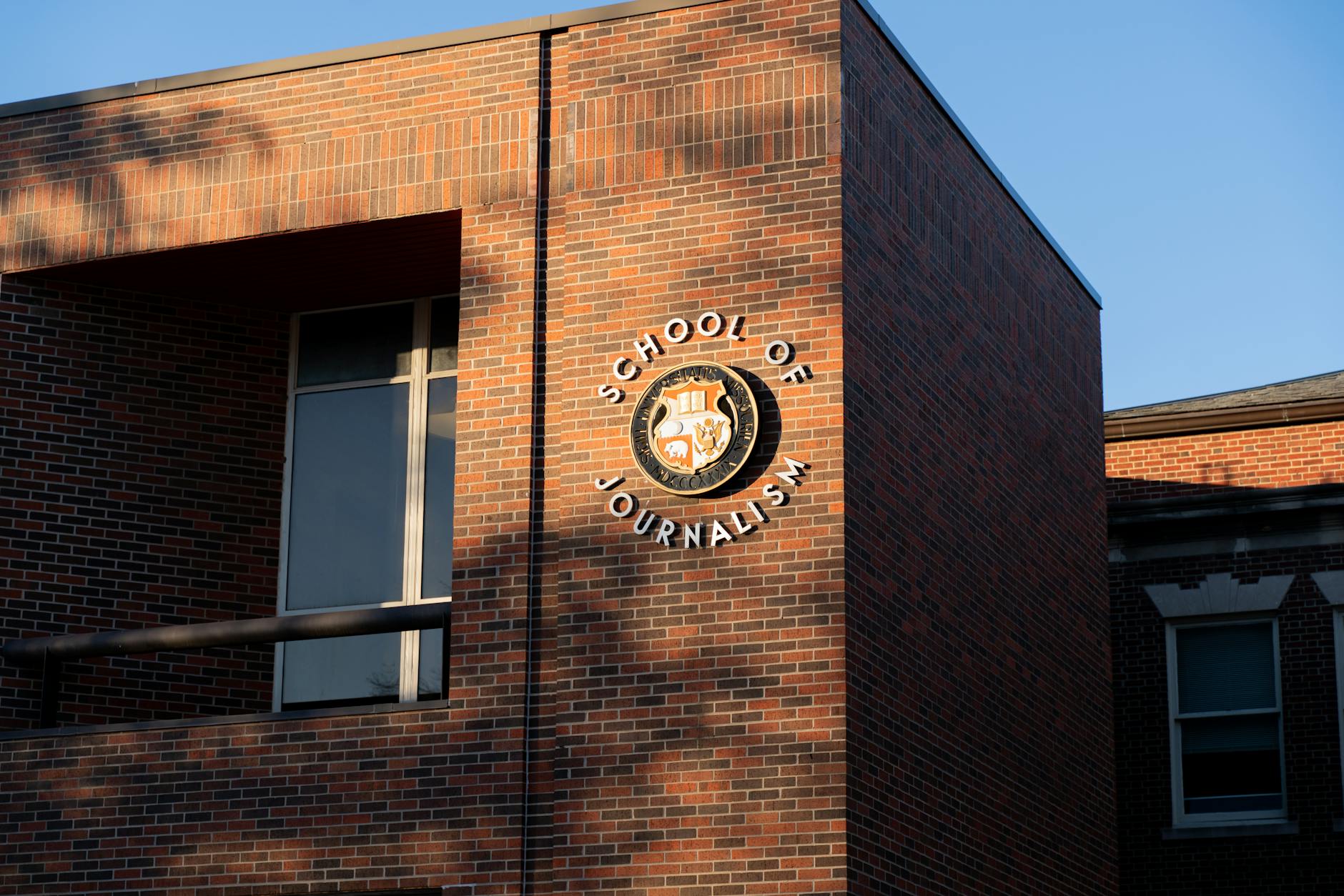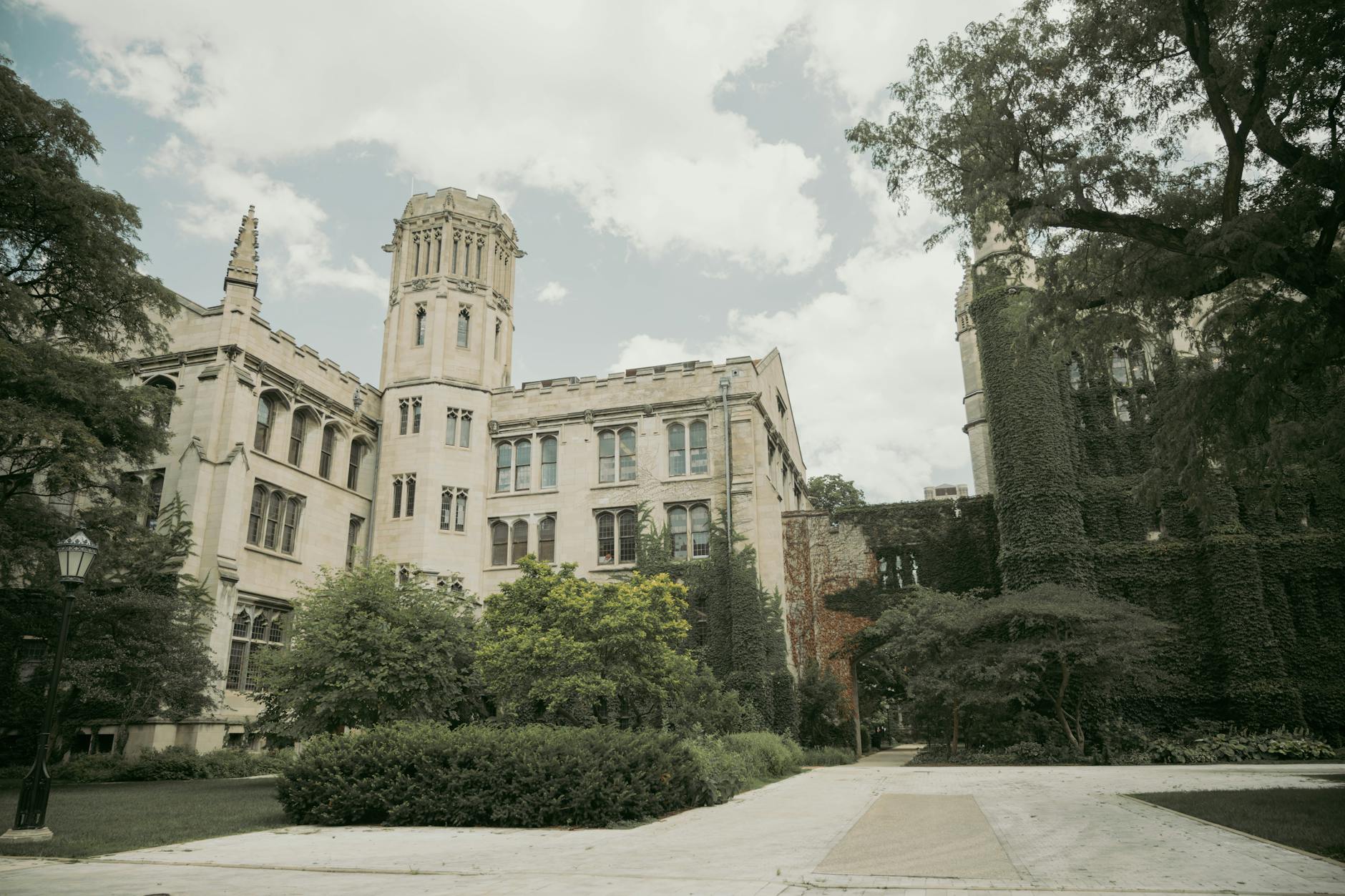

Planning your Dartmouth journey? The dartmouth campus is buzzing with tradition, energy, and a welcoming spirit that draws students from around the world. Whether you are about to start your first term or returning for another exciting year, this guide is here to help you feel at home.
We will share essential tips and resources so you can navigate campus life, academics, and social opportunities with confidence. Ready to explore the best of Dartmouth? Dive in for expert advice and insider insights to make the most of your time on campus in 2025.
Navigating the Dartmouth Campus: Layout, Landmarks, and Facilities
Exploring the Dartmouth campus for the first time is an exciting adventure. Whether you’re a new arrival or a returning student, understanding the layout, landmarks, and facilities will help you feel right at home. Let’s dive into the essentials so you can navigate with confidence and make the most of every corner of this historic Ivy League environment.
Campus Overview and Map Essentials
The Dartmouth campus spans 269 scenic acres in Hanover, New Hampshire. It features a blend of classic architecture and modern innovation, all set against the backdrop of the Connecticut River. The main quadrangles are easy to spot, but knowing the three key zones—North Campus for sciences, South Campus for arts and humanities, and the West End innovation district—will help you find your way quickly.
Interactive maps and the Dartmouth mobile app are your best friends for campus navigation. You can explore every building, pathway, and accessibility feature using the Dartmouth College Campus Map. This tool is especially helpful for discovering accessible entrances, elevators, and the most direct routes between classes.
Baker-Berry Library stands proudly at the heart of the Dartmouth campus, serving as a central point for orientation and a favorite meeting spot. Learning the main routes early will save you time and help you feel more connected.
Must-See Landmarks and Buildings
Dartmouth campus is filled with iconic landmarks that every student should know. The Baker-Berry Library is not just a study space, but a symbol of the college spirit. Dartmouth Hall, with its historic white columns, is a must-see for anyone exploring the heart of campus.
The Green is the central gathering space, hosting everything from orientation to major campus traditions. The Hopkins Center for the Arts and Rauner Special Collections Library offer cultural and academic enrichment. For those interested in engineering or business, the Thayer School of Engineering and Tuck School of Business have impressive facilities worth checking out.
Sports fans will appreciate Alumni Gym, Memorial Field, and Thompson Arena, all of which are hubs for athletic events and recreation. Student centers like Collis Center and Robinson Hall are always buzzing with activity and are great places to meet friends.
Transportation and Getting Around
Getting around the Dartmouth campus is a breeze thanks to well-planned transportation options. The campus shuttle covers key routes, making it easy to travel between classes or head to the riverfront. Bike share programs are popular, and there are plenty of bike racks throughout campus for convenience.
Most students prefer walking, as the campus is compact and pedestrian-friendly. Parking regulations are strictly enforced, so be sure to secure the right permit if you plan to bring a car. Zipcar rentals and public transit connections to the Upper Valley expand your travel options.
For safety, always use well-lit paths at night and consider traveling with friends. The Dartmouth campus is designed with student safety in mind, and security staff are available to assist whenever needed.
Technology and Study Spaces
You’ll find robust Wi-Fi coverage throughout the Dartmouth campus, making it easy to stay connected wherever you study. Printing stations and computer labs are available in key academic buildings, ensuring you have the tech resources you need.
Study lounges and group workspaces are scattered across campus, so you can choose a quiet nook or a collaborative spot based on your needs. Many library access points operate 24/7, perfect for those late-night study sessions.
Smart classrooms are equipped with the latest technology, and reservable project rooms are ideal for team assignments. The variety and quality of study spaces on Dartmouth campus make it easy to find your perfect learning environment.
Sustainability Initiatives
Sustainability is woven into the fabric of Dartmouth campus life. Many buildings have green certifications, and energy-efficient systems help reduce the college’s environmental footprint. Bike-friendly infrastructure encourages eco-friendly commuting, while recycling programs are found in every residence and academic building.
The Irving Institute for Energy and Society stands out as a model of sustainable design and innovation. Students are encouraged to participate in green initiatives, from campus clean-ups to energy awareness campaigns.
These efforts not only protect the beautiful Dartmouth campus but also foster a culture of responsibility and community. By getting involved, you can help ensure that Dartmouth remains a leader in sustainability for years to come.
Housing and Dining: Living Well at Dartmouth
Finding your home away from home is a huge part of the Dartmouth campus experience. Whether you are drawn to the heart of campus or exploring the Upper Valley, both housing and dining options are designed to help you thrive. Let’s explore where you’ll live, what you’ll eat, and the support systems that make Dartmouth feel like a welcoming community.
On-Campus Housing Options
Life on the Dartmouth campus starts with choosing your residence. First-year students are placed in dedicated dorms, while upperclassmen can join House Communities or Living Learning Communities. These spaces offer singles, doubles, suites, and apartment-style rooms to fit every preference.
Applying for housing is straightforward, with the process and deadlines clearly outlined each year. Residence life staff are always nearby, organizing programs and offering support whenever you need it. Allen House, for example, hosts themed events that bring everyone together and spark lasting friendships.
For a full overview of room types and amenities, you can visit the Dartmouth Housing and Dining Options page. No matter your choice, living on the Dartmouth campus means being part of a vibrant, supportive community.
Off-Campus Living
Some students choose to venture beyond the Dartmouth campus for more independence. Popular neighborhoods include Hanover, Norwich, and Lebanon, each with its own charm. Rent varies by location, but many students find affordable options, especially when sharing with roommates.
Lease terms typically run the academic year, and there are resources for roommate matching. Commuting is easy, thanks to campus shuttles and bike-friendly routes. Here’s a quick comparison to help you decide:
Feature On-Campus Off-Campus
Proximity to classes Very close Varies
Community events Frequent Fewer
Meal plan required Yes Optional
Independence Moderate High
Weigh the pros and cons carefully. Some love the convenience and spirit of the Dartmouth campus, while others enjoy the flexibility of off-campus living.
Dining Halls and Meal Plans
Dining at Dartmouth campus is all about variety and flexibility. ’53 Commons is the main dining hall, offering everything from global cuisine to local favorites. Other spots like Courtyard Café, Collis Café, and Novack Café provide grab-and-go meals and cozy study nooks.
Meal plans are tailored to different needs, including unlimited, block, and pay-as-you-go options. Special dietary needs are always respected—vegetarian, vegan, gluten-free, halal, and kosher choices are widely available. ’53 Commons stands out for its commitment to local and sustainable food initiatives.
Eating well on the Dartmouth campus is easy, with options to match every schedule and taste.
Food Beyond the Dining Hall
Hungry after hours? The Dartmouth campus has you covered with food trucks, late-night bites, and vending machines sprinkled across campus. If you crave something different, Hanover offers beloved spots like Lou’s Restaurant, Morano Gelato, and Molly’s Restaurant.
Grocery stores are nearby, and many offer student-friendly delivery services. Whether you want to cook a homemade meal or grab a midnight snack, you’ll find plenty of choices both on and off the Dartmouth campus.
Health, Safety, and Support in Residential Life
Safety and wellness are always top priorities on the Dartmouth campus. Residence halls have on-call staff and secure entry, while campus security provides 24/7 support. Emergency protocols are clearly posted, and wellness resources are accessible right where you live.
Mental health counseling, peer support, and wellness workshops are all available in residential life. Did you know that 90% of first-years live on the Dartmouth campus? This strong sense of community helps everyone feel connected and supported from the start.
Academic Life: Classes, Resources, and Support
Starting your academic adventure on the Dartmouth campus means embracing a vibrant, challenging, and supportive learning environment. From planning your class schedule to finding the perfect study spot, every step is designed to help you grow and succeed. Let’s break down what makes academic life here truly special.
Academic Calendar and Course Registration
Dartmouth campus uses a unique quarter system that keeps things dynamic and fast-paced. Each year is divided into four ten-week terms, so planning ahead is key. Before registration, check out the Dartmouth Academic Calendar for important dates, add/drop deadlines, and term start times.
New students often start with popular introductory courses or first-year seminars, which help you find your footing and connect with classmates. Registration opens before each term, and you’ll want to have several class options in mind. If you need help, academic advisors and peer mentors are ready to assist you every step of the way on the Dartmouth campus.
Majors, Minors, and Interdisciplinary Programs
With over 60 majors and minors, the Dartmouth campus offers something for everyone. Whether you’re passionate about science, the arts, or want to combine fields, there are flexible paths to suit your interests. Double majoring or modifying a major is popular, letting you blend disciplines for a truly personalized education.
Unique programs like Quantitative Social Science (QSS) or Environmental Studies (ENVS) encourage creative thinking. Not sure what to choose? Faculty and advising staff will help guide you through the process so you can confidently declare a major that sparks your curiosity and aligns with your goals.
Faculty, Advising, and Mentorship
One of the greatest strengths of the Dartmouth campus is the accessibility of faculty and advisors. Professors hold regular office hours and welcome students to drop by for academic or career advice. First-year students are matched with faculty advisors who help with course planning and adjusting to college academics.
Support doesn’t stop there. The Undergraduate Dean’s Office, peer tutoring programs, and writing centers are available to help you tackle tough assignments or refine your skills. With this network of support, you’ll feel empowered and connected throughout your academic journey.
Libraries and Research Opportunities
The heart of the Dartmouth campus is the Baker-Berry Library, a favorite spot for study sessions and group projects. Here, you’ll find extensive print and digital collections, quiet study areas, and reservable rooms. Special collections at Rauner Library and research guides open doors to unique academic resources.
Undergraduates can dive into research early, thanks to programs like the Women in Science Project (WISP). Funding and faculty mentorships are available for those eager to explore new ideas beyond the classroom, making research an integral part of your experience on the Dartmouth campus.
Technology and Digital Learning
Staying connected on the Dartmouth campus is easy with robust Wi-Fi, numerous computer labs, and convenient printing stations. The Canvas learning management system keeps your coursework organized, while Zoom and other platforms enable flexible, hybrid learning.
Students have campus-wide access to specialized software such as MATLAB and Adobe Creative Cloud. Online workshops and webinars help sharpen your digital skills, ensuring you’re prepared for any academic challenge. Reservable project rooms and tech-enabled classrooms make collaboration seamless.
Accessibility and Academic Accommodations
Dartmouth campus is committed to supporting all students. Student Accessibility Services streamlines the process for requesting academic accommodations, ensuring everyone can participate fully in classes. Assistive technology and accessible course materials are available to meet diverse needs.
About 15% of students are registered with accessibility services, showing the importance of inclusion. Physical spaces, digital resources, and peer support networks work together to create an environment where everyone can thrive and focus on learning.
Student Life and Campus Culture: Getting Involved
Diving into student life on the dartmouth campus means joining a vibrant community where everyone can find their place. From spirited traditions to diverse clubs, there are endless ways to get involved, make friends, and create memories. Let’s explore how you can make the most of your dartmouth campus experience by participating in everything this dynamic environment has to offer.
Clubs, Organizations, and Activities
The dartmouth campus boasts more than 350 student organizations, making it easy to find a club or group that matches your interests. Whether you love academic competitions, cultural celebrations, or community service, there is a place for you. Explore everything from debate teams and improv troupes to robotics societies and service groups.
Greek life is also a major part of the dartmouth campus, with fraternities, sororities, and co-ed societies welcoming about 60% of eligible students. If you want to see the full range of opportunities, you can browse the Dartmouth Student Organizations directory for inspiration.
Joining a club is a great way to build connections and feel right at home on the dartmouth campus.
Athletics and Recreation
Athletics are an exciting part of life on the dartmouth campus. With NCAA Division I varsity teams, club sports, and intramurals, there’s something for everyone, no matter your skill level.
Students can work out at Alumni Gym or Zimmerman Fitness Center, swim in the pools, or join group fitness classes. Outdoor lovers will enjoy hiking, skiing, and kayaking in the Upper Valley, taking full advantage of the beautiful natural setting around the dartmouth campus.
Getting active is not just about sports—it’s about making friends and staying healthy together.
Campus Traditions and Events
Traditions are the heartbeat of the dartmouth campus. Each year, students gather for Homecoming, Winter Carnival, Green Key Weekend, and First-Year Trips. These events are more than just fun—they help build a sense of community and belonging.
Annual celebrations like the Powwow, Diwali, and International Student Orientation showcase the diversity and spirit of the dartmouth campus. The famous Winter Carnival snow sculpture and races are must-see highlights that bring the whole campus together.
Participating in these traditions makes every year on the dartmouth campus unforgettable.
Diversity, Equity, and Inclusion
The dartmouth campus is committed to fostering a diverse and welcoming environment. Multicultural student centers and affinity groups provide safe spaces for students of all backgrounds to connect and share their experiences.
Campus initiatives promote equity and inclusion, ensuring everyone feels valued and respected. According to recent data, 48% of the Class of 2027 are students of color, reflecting the dartmouth campus’s dedication to representation and belonging.
Getting involved in these groups helps build understanding and lasting friendships.
Arts, Music, and Creativity
Creativity thrives on the dartmouth campus, where students can express themselves through the arts. The Hopkins Center for the Arts hosts performances, workshops, and exhibitions that bring the community together.
You’ll find opportunities for student art shows, film screenings, writing groups, and more. The Dartmouth Film Society is a favorite among movie buffs, while music lovers can join a cappella groups or ensembles.
Being part of the creative scene on the dartmouth campus is a fantastic way to broaden your horizons and showcase your talents.
Social Life and Networking
Social life on the dartmouth campus is lively and inclusive. Residential communities organize regular events and mixers, helping students connect outside the classroom. Leadership opportunities abound, from student government to running campus-wide initiatives.
Networking is easy with digital communities and online event calendars that keep everyone in the loop. The dartmouth campus encourages students to reach out, get involved, and build relationships that last beyond graduation.
No matter your interests, there’s always a way to meet new people and feel at home on the dartmouth campus.
Student Services and Wellness: Support for Success
Navigating the dartmouth campus means more than just finding your classes. It’s about feeling supported, healthy, and ready to thrive. Dartmouth offers a wide range of student services and wellness resources designed to help you succeed in every aspect of campus life. Let’s explore the essential support systems that make the dartmouth campus a welcoming and empowering place for everyone.
Health and Wellness Resources
Taking care of your mind and body is key to making the most of your dartmouth campus experience. The Dartmouth Health Service provides primary care, urgent care, and immunizations right on campus, making healthcare accessible and convenient for all students.
You can visit the Counseling Center for mental health support, workshops, and crisis assistance. Wellness programs, such as mindfulness classes and nutrition counseling, help you build healthy habits. Fitness classes are available at various locations across the dartmouth campus, so it’s easy to stay active and manage stress.
Here’s a quick look at available wellness resources:
Service Location How to Access
Health Service Dick Hall’s House Walk-in, Appointment
Counseling Center 2nd Floor, Dick’s House Appointment
Fitness Classes Alumni Gym, Zoom Schedule Online
Safety and Emergency Services
Your safety on the dartmouth campus is a top priority. Dartmouth Safety & Security operates campus patrols, manages the Blue Light emergency system, and offers escort services for safe travel at night.
Emergency alerts keep you informed about any urgent situations. Preparedness programs help students know what to do in case of severe weather or other incidents. You can download the LiveSafe app for real-time safety updates and easy access to emergency contacts while on the dartmouth campus.
Remember to always travel with friends after dark and familiarize yourself with emergency phone locations throughout the campus.
Financial Aid and Student Employment
Financial support is available to help you focus on your studies and life at the dartmouth campus. Dartmouth offers generous need-based financial aid and merit scholarships to qualified students.
There are plenty of on-campus job opportunities, from working in the library to assisting in research labs or dining services. The Student Employment Office provides guidance and job search tools to help you find a position that fits your schedule and interests.
Here’s a summary of common campus jobs:
Job Type Typical Hours/Week Application Method
Library Assistant 6-10 Job Portal
Dining Services 8-12 Apply In-Person
Research Assistant 5-15 Faculty Contact
Career Services and Professional Development
Preparing for your future career starts right on the dartmouth campus. The Center for Professional Development offers internships, resume workshops, and career fairs to help you build essential skills and make industry connections.
You can access alumni mentoring programs and online networking platforms to get advice from graduates in your field. Dartmouth’s alumni network is strong and supportive, with over 80,000 members worldwide ready to help you succeed.
Take advantage of these resources early, and you’ll be well-prepared for life after the dartmouth campus.
Accessibility and Disability Services
Dartmouth campus is committed to being accessible and inclusive for all students. Physical accessibility features are found throughout campus buildings and transportation routes.
The Student Accessibility Services office assists students in requesting academic and residential accommodations. Peer support networks and assistive technology are also available to ensure everyone can fully participate in campus life.
If you have specific accessibility needs, reach out early to make sure your dartmouth campus experience is smooth and supportive.
Spiritual Life and Community Support
Finding community and purpose is a big part of the dartmouth campus journey. The Tucker Center for Spiritual and Ethical Living is open to students of all faiths and backgrounds, offering interfaith programming, chaplaincy, and meditation spaces.
You’ll find community service opportunities and volunteer programs that let you give back and connect with others. Whether you’re seeking spiritual guidance or a place to reflect, the dartmouth campus offers plenty of welcoming spaces and supportive resources for your journey.
Exploring Hanover and the Upper Valley: Beyond the Campus
Exploring the world beyond the dartmouth campus is a highlight for many students. Hanover and the Upper Valley offer a vibrant blend of small-town charm, natural beauty, and cultural experiences. Whether you’re a first-year or a returning student, you’ll find something new each season to enrich your time at dartmouth campus.
Hanover Town Essentials
Hanover’s downtown is just steps from the dartmouth campus and is known for its walkable streets and friendly atmosphere. You’ll find everything you need, from cozy coffee shops to essential services.
-
Popular spots: Lou’s Restaurant, Morano Gelato, Molly’s Restaurant.
-
Local services: banks, pharmacies, post office, and a well-stocked Co-op grocery store.
-
Student discounts: Many businesses offer savings with your dartmouth campus ID.
Need to run errands or grab a quick bite? Everything is within easy reach, making daily life both convenient and enjoyable.
Outdoor Recreation and Natural Beauty
The Upper Valley is an outdoor lover’s paradise, with countless adventures just beyond the dartmouth campus. Enjoy hiking the Appalachian Trail, exploring Pine Park, or paddling on the Connecticut River.
-
Top trails: Appalachian Trail, Mink Brook Nature Preserve, Balch Hill.
-
Seasonal fun: Skiing at Dartmouth Skiway, canoe trips in spring, and breathtaking fall foliage hikes.
-
Tip: Bring layers for changing weather.
With so much green space near dartmouth campus, it’s easy to recharge in nature between classes and study sessions.
Arts, Culture, and Entertainment in the Upper Valley
Looking for inspiration outside the dartmouth campus? The region is bursting with arts and culture. You can catch a concert at the Hopkins Center, see a play at Northern Stage, or explore the Hood Museum of Art.
-
Local museums: Hood Museum of Art, Montshire Museum of Science.
-
Live music: Weekly performances at local venues and farmer’s markets.
-
Festivals: Annual cultural events bring the community together.
There’s always something happening, and students often discover new passions through these local experiences.
Transportation and Travel
Getting around the Upper Valley from dartmouth campus is simple. Advance Transit offers free bus routes connecting campus, downtown Hanover, and neighboring towns. If you want to travel farther, Amtrak and bus services can take you to Boston, New York, and beyond.
Option Cost Destinations
Advance Transit Free Hanover, Lebanon, Norwich
Amtrak Varies Boston, NYC
Carpool/Ride-share Varies Regional travel
Biking is popular on and off the dartmouth campus, and ride-sharing apps make weekend adventures easy to plan.
Community Engagement and Volunteering
Students at dartmouth campus are passionate about giving back. There’s a wide range of service opportunities with local nonprofits, schools, and the Dartmouth Center for Social Impact.
-
Volunteer: Tutor local students, support food banks, or join environmental projects.
-
Internships: Many programs connect dartmouth campus students to real-world learning.
-
Service-learning: Combine coursework with community engagement.
By stepping beyond the dartmouth campus, you’ll build meaningful connections and make a positive impact.
Safety, Weather, and Seasonal Prep
New England’s weather can be unpredictable, so it’s wise to prepare before heading off the dartmouth campus. Winters are snowy and cold, while fall and spring are mild but change quickly.
-
Dress in layers and invest in a warm coat.
-
Use campus alerts for weather updates and safety info.
-
Emergency resources: Know where to find local shelters and support during storms.
Hanover is generally safe, but it’s good practice to walk with friends at night and stay alert, especially when venturing away from the dartmouth campus.
Local Resources and Staying Connected
Beyond the dartmouth campus, Hanover offers plenty of resources to help you thrive. The public library is a great spot for quiet study or borrowing books. Community centers host events, workshops, and clubs for all interests.
-
Check local event calendars for concerts, talks, and festivals.
-
Balance your academic life with local exploration and downtime.
-
Building connections in Hanover can make your dartmouth campus experience even more rewarding.
Remember, the dartmouth campus is just the starting point for a rich and memorable journey in the Upper Valley.