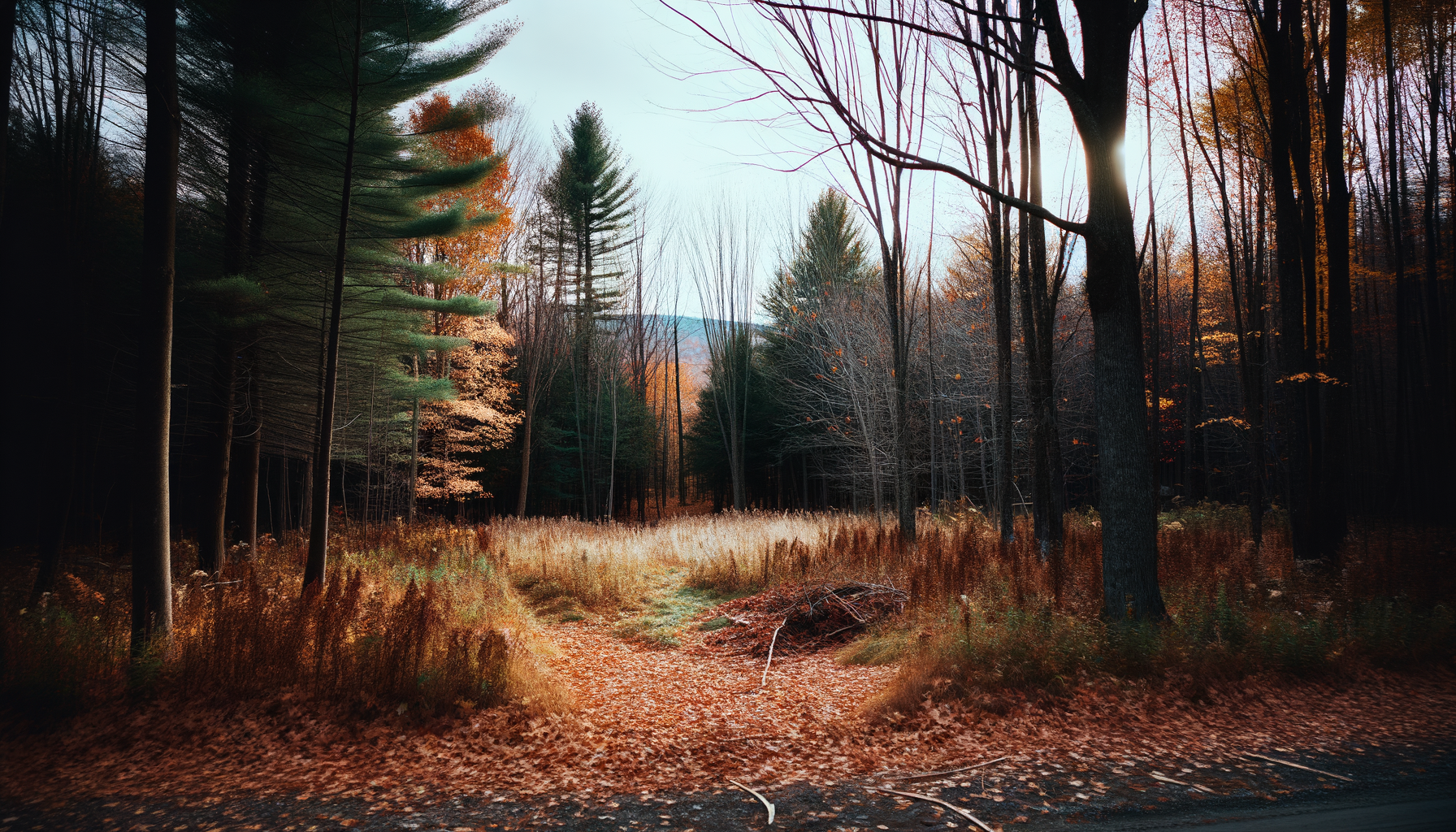
It started with the sound of dry leaves. That brittle hush underfoot. Like paper tearing. Like something forgotten. The forest was quiet, but not in a peaceful way. It felt paused. Held. Waiting for something to go wrong.
Green Mountain National Forest, early October. The trees should be glowing. Reds, golds, the kind of color that makes you stop mid-step. But this year, the palette is muted. Brown edges. Dusty yellows. Leaves curling before they fall. The drought has drained the vibrancy. What’s left is a landscape that feels thirsty. And flammable.
Fire risk isn’t new here. But this year, it’s different. The soil is cracked. The moss is brittle. Even the air feels thin. The Forest Service posted restrictions weeks ago. No fires outside designated metal rings. No charcoal grills. No smoking unless you’re inside a car or standing in a barren patch of dirt. But rules don’t always reach the people who need them most. Especially in the backcountry. Especially when the weather feels deceptively calm.
Near North Pond, tucked between Chittenden and Pittsfield, a smoldering campfire was left behind. Unattended. Uncontained. A few hikers found it first. Tried to put it out. Called 911. Did what they could with water scooped from the pond and whatever they had in their packs. But the fire had sunk deep. Into the roots. Into the ground. That’s the thing about drought. It doesn’t just dry the surface. It hollows out the layers underneath. Makes everything a wick.
When firefighters arrived, they came with backpacks full of water. Trenching tools. A six-wheeler that had to crawl its way through the trees. They worked fast. Controlled the spread. But it was close. Too close. And it wasn’t the first time. Since August, Vermont crews have responded to more than a dozen wildfires. Most of them started by people. Most of them preventable.
There’s a kind of heartbreak in that. Not just because of the danger. But because of the carelessness. The tin foil left behind. The broken pine branches. The scorched dirt. It’s not just a fire hazard. It’s a wound. A mark on a place that’s supposed to be wild and whole. A place people come to feel small in a good way. To remember something bigger than themselves.
And yet, the forest keeps absorbing it. The damage. The heat. The weight of human presence. It’s resilient, but not invincible. The drought has made that clear. Water sources are unreliable. Streams that used to run steady are now trickles, or dry altogether. Hikers are being told to carry extra water. To plan ahead. To treat every step like it matters. Because it does.
The fire restrictions will stay in place until the rain returns. Until the soil softens. Until the leaves stop crunching like kindling. But even then, the memory of this season will linger. In the roots. In the ash. In the way people talk about fall in Vermont. Not just as a time of color, but as a time of risk.
There’s something poetic about that. Something haunting. The idea that beauty and danger can live side by side. That a hike can turn into a rescue. That a quiet afternoon can end with sirens. It’s not the story people come here to write. But it’s the one unfolding now. In real time. In real heat.
And maybe that’s the point. To pay attention. To listen to the forest when it crackles instead of sings. To see the signs before they become smoke. To remember that stewardship isn’t just a word. It’s a choice. A practice. A way of being in the world that leaves room for everything else to breathe.
So the next time someone lights a fire in the woods, maybe they’ll think twice. Maybe they’ll feel the dryness in the air. The tension in the trees. Maybe they’ll remember the hikers who carried pond water in Ziploc bags. The firefighters who drove six-wheelers through the brush. The roots that still glow, even after the flames are gone.