In Vermont, the agricultural sector is confronting a crisis that has unfolded gradually but with increasingly severe consequences. The persistent drought conditions observed throughout the summer and early autumn have prompted state officials to initiate discussions around a federal disaster designation, a move that could unlock emergency financial assistance for farmers facing mounting losses. This development reflects a broader pattern of climate-induced volatility that is reshaping the operational and financial landscape of farming in the northeastern United States.
According to recent statements from the Vermont Agency of Agriculture, Food and Markets, the state is nearing the threshold required to formally request a Secretarial Disaster Designation from the United States Department of Agriculture. Such a designation, if granted, would enable access to low-interest loans and other relief mechanisms administered through the USDA’s Farm Service Agency. The process, however, is contingent upon a formal request from the governor and a comprehensive assessment of damages incurred across the state’s farming communities. The urgency of this request is underscored by the fact that over 90 percent of Vermont was classified under extreme or severe drought conditions as of late September, marking one of the driest periods in the state’s recorded history. Similar concerns have been raised across the border in New Hampshire.
Farmers are being advised to meticulously document their losses, including crop failures, increased water hauling costs, and disruptions to grazing schedules. These records will be critical in substantiating the need for federal intervention and in determining eligibility for future assistance programs. The state’s agricultural leadership has emphasized the importance of proactive engagement with local USDA offices, encouraging farmers to maintain detailed expense logs and to communicate openly about the challenges they are encountering. This approach reflects a pragmatic understanding of the bureaucratic requirements associated with disaster relief and the necessity of aligning local realities with federal criteria.
The implications of the drought extend beyond immediate financial strain. For many Vermont farmers, the current conditions represent the latest in a series of environmental disruptions that have tested the resilience of their operations. In the past two growing seasons, severe flooding events caused extensive damage to fields and infrastructure, resulting in separate disaster declarations. The cumulative effect of these events has placed considerable pressure on farmers’ capacity to absorb losses and to invest in long-term sustainability measures. The current drought, therefore, is not merely an isolated incident but part of a broader trajectory of climatic instability that is reshaping the agricultural calculus in the region.
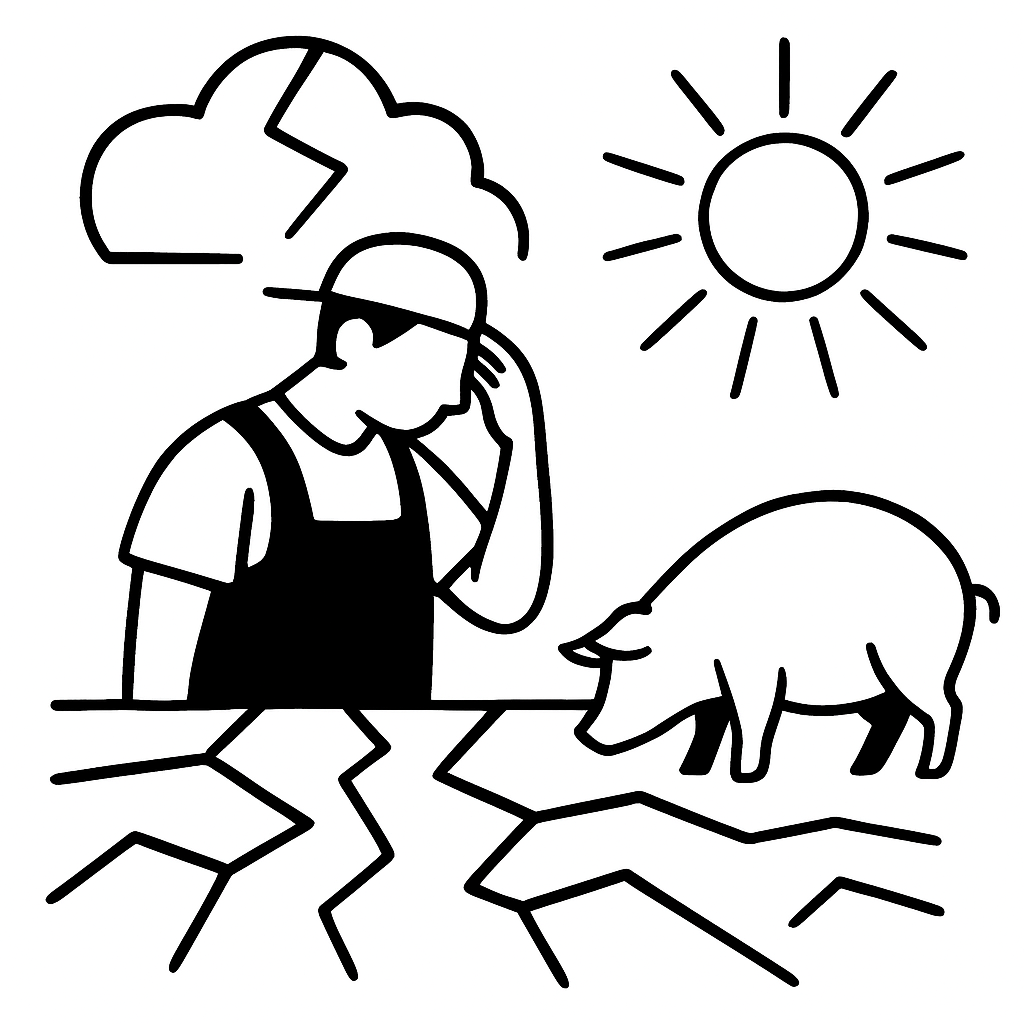
One illustrative example comes from South Hero, where a local pig farm has had to significantly alter its grazing practices in response to the drought. The owners have expressed concern about the long-term health of their soil and livestock, noting that overgrazing during dry periods can compromise future productivity. This sentiment is echoed across the state, where farmers are making difficult decisions about resource allocation, crop rotation, and soil conservation. The strategic adjustments being undertaken reflect a growing awareness of the need for adaptive management practices, even as financial constraints limit the scope of possible interventions.
From a policy perspective, the situation in Vermont raises important questions about the adequacy of existing support structures for small and mid-sized farms. While federal programs such as the USDA’s emergency loan offerings provide a safety net, the procedural complexity and delayed timelines often associated with these mechanisms can hinder timely recovery. Moreover, the reliance on formal disaster designations as a prerequisite for assistance introduces a level of uncertainty that complicates planning and investment. In this context, there is a compelling argument for revisiting the architecture of agricultural support systems, with an emphasis on flexibility, responsiveness, and regional specificity.
Internationally, similar challenges are being observed in other temperate regions, where climate variability is disrupting traditional farming cycles and necessitating new approaches to risk management. In parts of southern Europe, for instance, prolonged droughts have led to shifts in crop selection and irrigation strategies, with governments implementing targeted subsidies to support transition efforts. The Vermont case, while distinct in its particulars, aligns with this global trend and underscores the interconnectedness of agricultural resilience and climate adaptation policy. It also highlights the importance of integrating scientific forecasting with economic planning, ensuring that farmers are equipped not only with financial tools but also with actionable data and technical guidance.
As Vermont officials continue to assess the scope of the damage and prepare the necessary documentation for a federal request, the broader agricultural community is watching closely. The outcome of this process will likely influence future policy debates around disaster preparedness and the role of government in supporting rural economies. It may also serve as a catalyst for renewed investment in climate-resilient infrastructure, including water management systems, soil health initiatives, and crop diversification programs. These measures, while costly, represent a strategic imperative in an era where environmental volatility is no longer an exception but a defining feature of agricultural life.
The drought affecting Vermont’s farmers is a multifaceted crisis that demands both immediate relief and long-term strategic planning. The state’s pursuit of a federal disaster designation is a necessary step, but it must be accompanied by a broader conversation about sustainability, equity, and innovation in agricultural policy. As climate patterns continue to evolve, so too must the frameworks through which we support those who cultivate the land. The resilience of Vermont’s farming sector will depend not only on the availability of emergency funds but on the collective capacity to adapt, anticipate, and endure.
For more environmental and regional news, visit our Campus section.