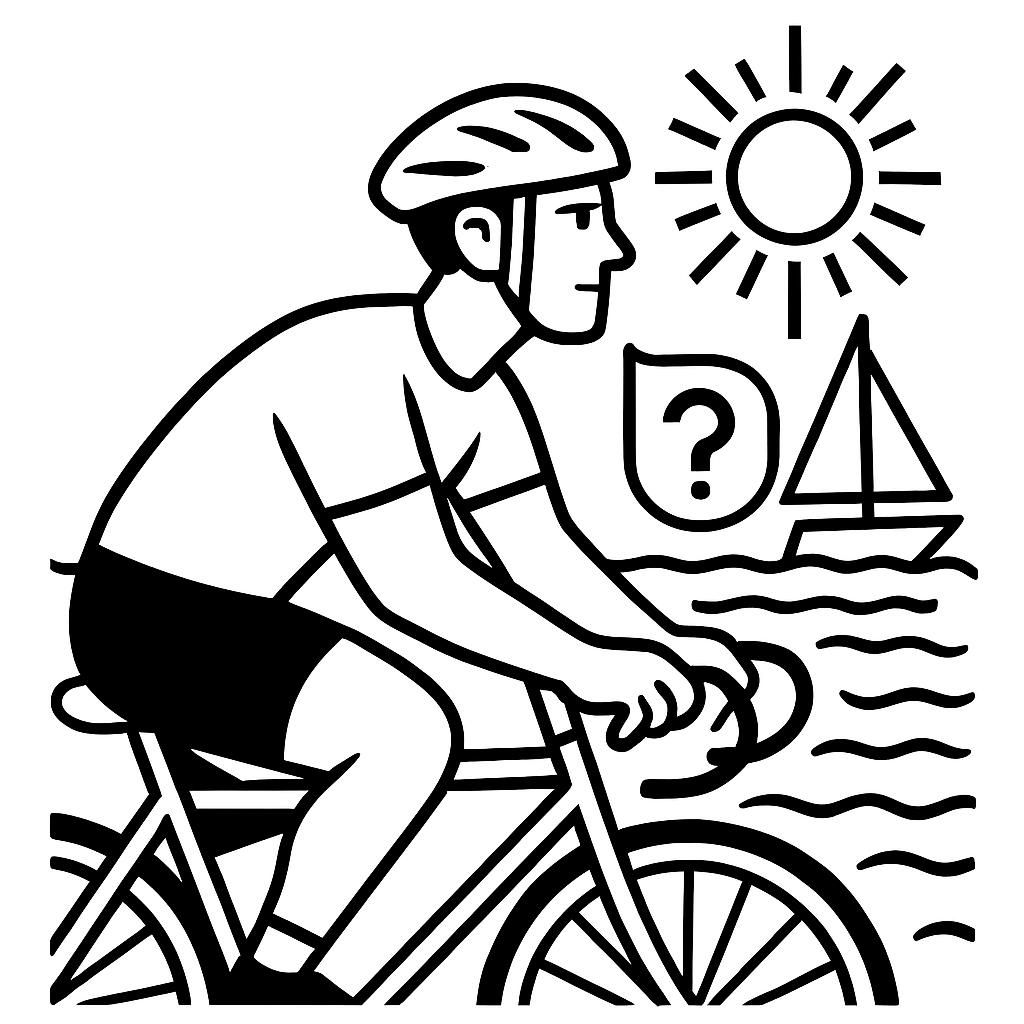
On a sunlit October morning, the roads of Dartmouth came alive with the quiet hum of bicycle tires and the steady rhythm of pedaling feet. Riders of all ages and backgrounds gathered not for competition, but for connection, a shared journey through the South Coast landscape in support of clean water and conservation. The Buzzards Bay Coalition’s annual Watershed Ride, held this year on October 5, brought together hundreds of cyclists who believe that movement through nature can be both joyful and purposeful.
The event offered three routes, 41, 77, and 100 miles, each winding through coastal villages, over bridges, and past estuaries that define the region’s ecological character. Padanaram Village, the Little River Bridge, and the open stretches of shoreline served not only as scenic backdrops but as reminders of what the ride seeks to protect. With every turn of the wheel, riders contributed to a larger cause: preserving the health of Buzzards Bay and its surrounding watershed.
This year’s ride raised $212,000 toward a broader goal of $500,000, a figure that reflects both the ambition and urgency of the Coalition’s mission. The funds support land conservation, water quality monitoring, and community outreach, efforts that ripple outward like the bay’s own tides. Among the participants was the South Coast Bikeway Alliance, a team of sixteen riders who collectively raised over $43,000, more than doubling their original target. Their presence underscored the growing momentum behind regional bike infrastructure and the belief that sustainable transportation can be a catalyst for environmental stewardship
Sandra Medeiros, a longtime Dartmouth resident and member of the Alliance, chose the 41-mile route this year. Her decision was not about taking it easy, but about savoring the experience. “You see so much more on a bike,” she said, reflecting on the way cycling opens up the senses. “It’s uplifting to your spirit.” Her words echoed the sentiment of many riders who find that biking offers a slower, more intimate way to engage with the land. The act of riding becomes a kind of meditation, a way to notice the curve of a shoreline or the rustle of leaves along a quiet road.
For Karen Kayser, the ride held deeper personal meaning. She and her husband had chosen Dartmouth as their retirement home, drawn by the bay’s promise of sailing, swimming, and marine life. After her husband’s passing last year, Kayser rode alongside her son-in-law, continuing a tradition that had become a way of giving back to the environment they cherished. Her story is one of many that illustrate how conservation is not just about policy or science, it’s about memory, belonging, and the places we hold dear.
The weather this year was generous, with temperatures in the high seventies and clear skies that made the miles feel lighter. Vincent Mor, another participant, recalled past years when hurricanes shortened the route or health challenges kept him off the bike. This time, he completed the 77-mile ride, marking a personal milestone. “It’s very silly and individualistic,” he said with a smile, “but that’s why.” His words, though modest, speak to the quiet triumphs that define events like these, moments when personal goals align with collective purpose. As the region grapples with the ongoing drought, events like these take on added significance.
As riders passed cars and pedestrians, many waved and smiled, their presence a gentle reminder that roads can be shared and that movement can be meaningful. The ride was not just a fundraiser; it was a celebration of community, of landscapes worth protecting, and of the simple joy found in motion. Medeiros described it as “wonderful,” not because of the distance covered, but because of the people involved. “You’re riding with like-minded people who appreciate all the beauty that surrounds us,” she said. That sense of camaraderie, of shared values and mutual respect, is what gives the event its enduring spirit. The Buzzards Bay Coalition continues to advocate for clean water through science, education, and land protection. But events like the Watershed Ride remind us that conservation is also cultural. It lives in the choices we make: choosing to bike instead of drive, to support local ecosystems, to gather in support of something larger than ourselves. The ride is a testament to what can happen when environmental values are woven into everyday life, when the act of biking becomes a gesture of care.
In the quiet aftermath of the ride, as bikes were parked and riders gathered for a celebratory party, the mood was light but reflective. There was laughter, music, and the kind of conversations that happen when people feel connected to place and purpose. The roads of Dartmouth had carried more than just wheels, they had carried stories, hopes, and a collective will to protect what matters.
Looking ahead, the South Coast Bikeway Alliance hopes to build on this momentum, encouraging more riders, more donors, and more awareness. Their vision includes expanded trails, safer routes, and a stronger link between transportation and conservation. It’s a vision rooted in the belief that biking is not just recreation, it’s a way of life that honors the land and invites others to do the same.
As the sun dipped below the horizon and the last riders made their way home, the legacy of the day lingered. It was a ride for clean water, for community, for the bay and its winding shores. But more than that, it was a reminder that even small acts like pedaling through a village can be part of something vast and vital. In the rhythm of spokes and the sweep of coastal air, the spirit of conservation found its stride.
For more community and campus news, visit our Campus section.