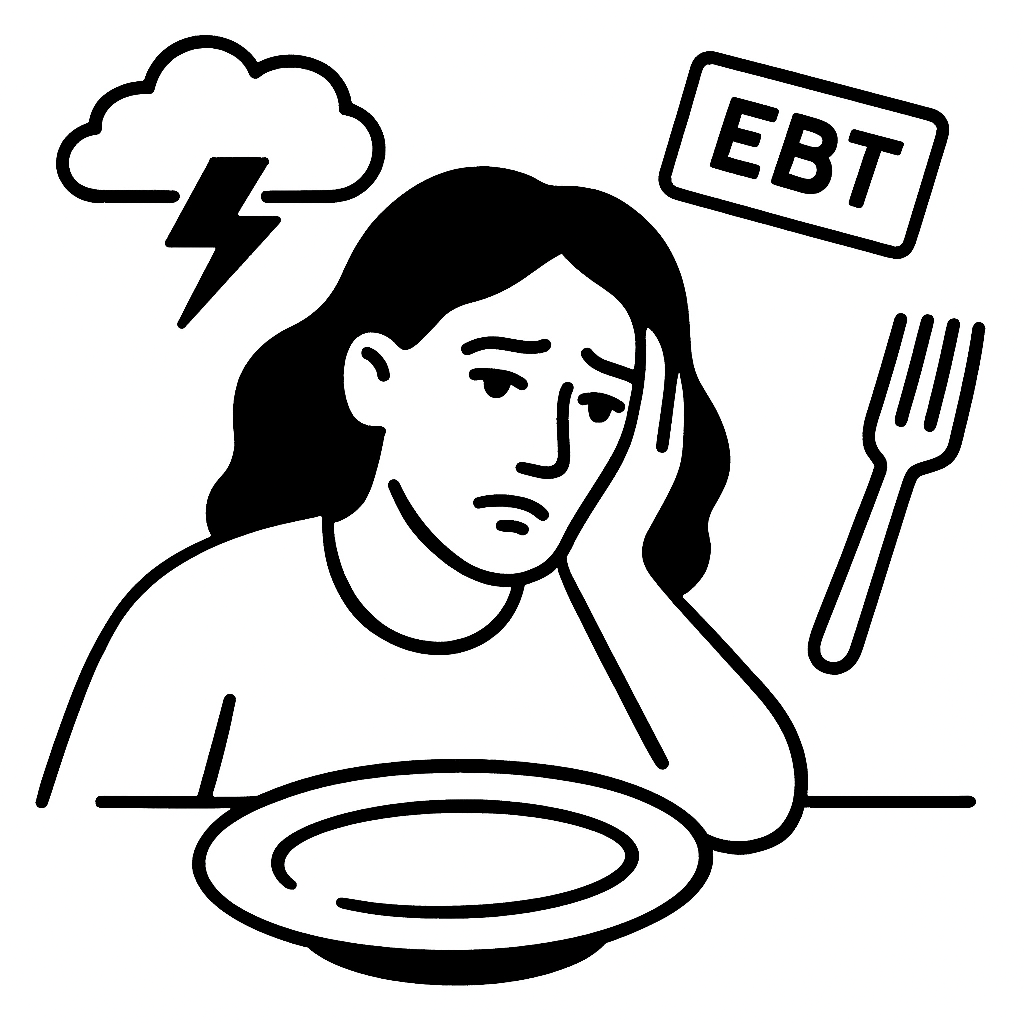
Folks across New Hampshire woke up hungry last week. Not just hungry for breakfast. Hungry in a way that gnaws at your nerves. The kind of hunger that comes when the money’s gone and the fridge is bare. For thousands of families who rely on SNAP, the government’s food assistance program, November started with confusion, stress, and empty cupboards. The benefits didn’t show up. No warning. No explanation. Just silence and a lot of worry.
It wasn’t just one town. It was Berlin, Claremont, Manchester, and places in between. Food pantries saw lines stretching down sidewalks. Volunteers scrambled to pack boxes. Some folks drove hours just to get a few cans and some produce. The state tried to help, tossing together a stop-gap plan with $2 million to keep food moving. But it wasn’t enough. Not for the single mom in Laconia who had to skip meals so her kids could eat. Not for the elderly couple in Keene who couldn’t afford both groceries and heat. Not for the guy in Concord who works nights and still can’t make ends meet.
The problem started with the shutdown. The federal government stalled, and SNAP payments got caught in the mess. The Trump administration said it wouldn’t fund November benefits. Then a judge stepped in, ordered the payments to go out. But even that didn’t clear things up. The administration appealed. The Supreme Court got involved. States got mixed signals. Some started sending money. Others held back. New Hampshire said benefits would be paid in full, but folks didn’t know when or how. It was a mess. And while the lawyers argued, people went hungry.
Late Friday, the state announced the money was coming. SNAP enrollees would see their benefits on their EBT cards by the weekend. That was good news. But it came after a week of fear and frustration. For many, it felt like the system didn’t care. Like the folks in charge had never missed a meal. Like they didn’t understand what it means to rely on SNAP not as a handout, but as a lifeline.
In Claremont, where I grew up, SNAP isn’t some abstract policy. It’s what keeps food on the table. It’s what helps kids show up to school with something in their stomach. It’s what lets working families breathe a little easier. When that disappears, even for a few days, it shakes people. It makes them feel invisible. Disposable. Like their lives don’t count.
The food bank in Berlin saw it firsthand. People waited in the cold for boxes of canned goods and fresh produce. Volunteers worked overtime. Some folks cried. Others got angry. Most just looked tired. Tired of being told to wait. Tired of being caught in political games. Tired of feeling like they’re always last in line.
There’s something broken in a system that lets this happen. SNAP is supposed to be automatic. Reliable. It’s not supposed to vanish because politicians can’t agree. And yet, here we are. A week of hunger, confusion, and scrambling. A week where the poorest among us paid the price for decisions made far away.
Some say it’s just a glitch. A hiccup in the system. But for the folks who went without, it wasn’t a hiccup. It was a gut punch. It was skipped meals and sleepless nights. It was kids asking why there’s no dinner. It was parents trying to explain something they don’t understand themselves.
Now the benefits are back. That’s something. But it doesn’t erase what happened. It doesn’t fix the fear. It doesn’t rebuild trust. And it sure doesn’t guarantee it won’t happen again. If anything, it’s a wake-up call. A reminder that safety nets only work if they’re strong. Only work if they’re respected. Only work if the people running them remember who they’re for.
In New Hampshire, we pride ourselves on taking care of our own. We help our neighbors. We show up when things get tough. But we shouldn’t have to fill the gaps left by a broken system. SNAP should be there when it’s needed. No delays. No confusion. No politics. Just food on the table. That’s not too much to ask.
So as the dust settles and the benefits roll in, let’s not forget the folks who went hungry. Let’s not forget the food banks that stretched thin. Let’s not forget the families who felt abandoned. And let’s make sure it doesn’t happen again. Because in a country with this much wealth, no one should have to wonder where their next meal is coming from. Not now. Not ever. For more on the federal spending battles affecting New Hampshire, see our coverage of the tariff dividend proposal that emerged during shutdown negotiations.