This December, a group of Dartmouth student musicians will travel to Italy as part of an initiative that blends the arts with global dialogue on food systems and sustainability. The trip, involving performances, symposiums, and collaborations with Italian institutions, highlights an interdisciplinary effort to connect music, cultural heritage, and environmental inquiry.
From December 2 to 6, eight students from the Dartmouth Symphony Orchestra will begin their visit in Rome. There, they will participate in the Food at the Nexus of Territory, Tradition, and Climate Change symposium at the American Academy in Rome. The event—organized in cooperation with Dartmouth’s Provost’s Office, the Sustainability Office, and the Rome Sustainable Food Project—brings together scholars, students, and artists to examine the intersections of food practices, climate impact, and cultural identity.
The Rome portion of the trip also includes the debut performance of the Dartmouth Chamber Players, the College’s newest student ensemble. Led by Brian Messier, director of bands and senior liaison for Hopkins Center ensembles, the group will perform in the Borromini Room at the historic Donna Camilla Savelli in Trastevere. The program, designed as a musical dialogue between American and Italian traditions, features works by William Grant Still, Aaron Copland, and Ottorino Respighi.
“The collaboration is about much more than performance,” said Messier. “It’s about building bridges through music, and discovering how collaboration itself becomes the art.”
Following their engagements in Rome, the Chamber Players will visit Siena to perform at the Accademia Chigiana alongside Italy’s Leviosa Quartet. They will then travel to Florence, where they will reunite with the full Dartmouth Symphony Orchestra for a multi-city tour across Tuscany.
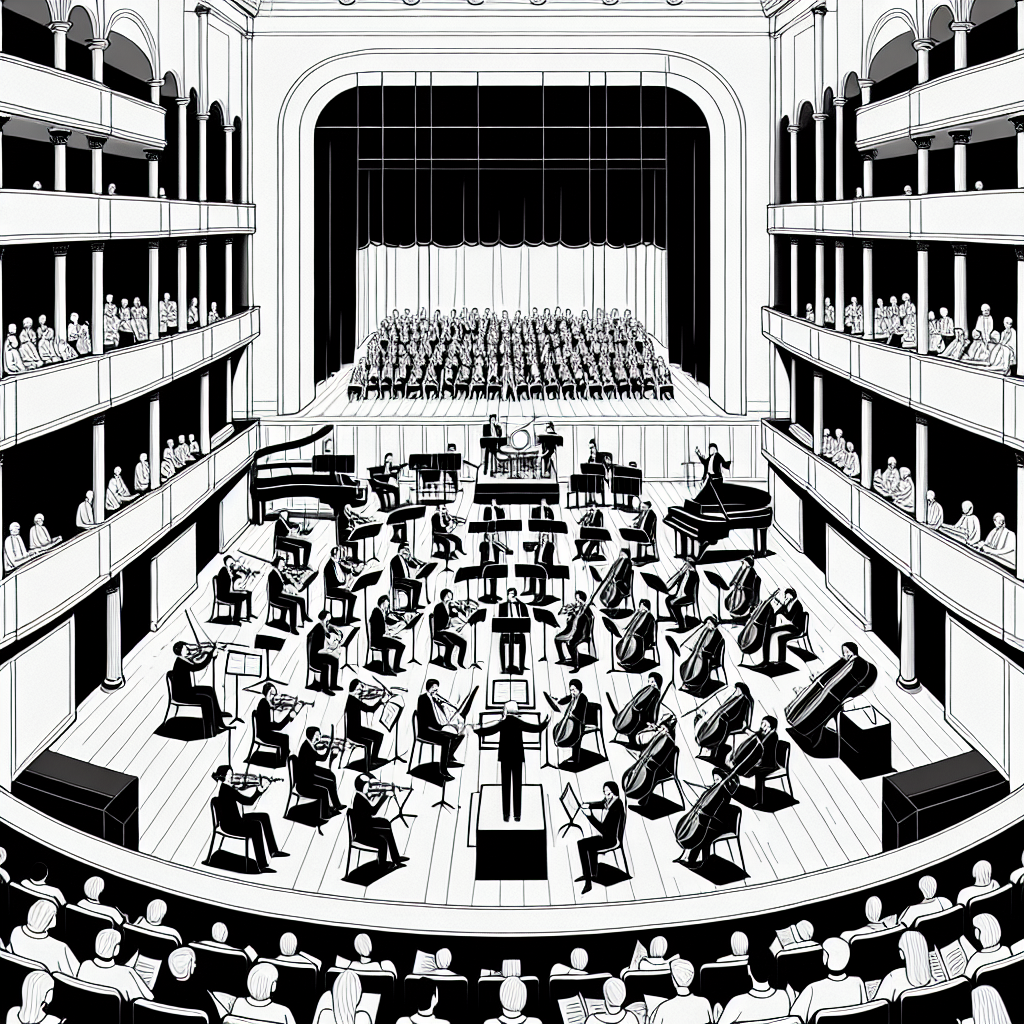
From December 12 to 17, the full orchestra, under the direction of Filippo Ciabatti, music director of orchestral and choral programs at Dartmouth, will perform in partnership with conservatories in Florence (Luigi Cherubini), Lucca (Luigi Boccherini), Livorno (Pietro Mascagni), and Siena (Rinaldo Franci). The tour includes joint rehearsals and concerts with Italian student musicians, culminating in full-orchestra performances held in prominent venues such as Teatro Verdi, Teatro Goldoni, Chiesa di San Francesco, and Teatro de’ Rinnovati.
“Italy has been putting art into the world for a long time,” said Ciabatti. “When Italian and American musicians sit side by side, you feel that history and you also feel the joy and passion of young people making music together.”
International mezzo-soprano Antoinette Dennefeld will join the orchestra for a solo appearance during the tour. This will be the Dartmouth Symphony Orchestra’s second visit to Italy, following a 2018 collaboration in Florence.
The initiative is part of a broader effort by the Hopkins Center for the Arts to foster cultural exchange through the performing arts. It reflects the College’s goal of integrating artistic practice with critical inquiry and global engagement. The upcoming trips to Rome and various Tuscan cities, along with other international projects such as the Mexican Repertoire Initiative, are intended to prepare students to navigate complex global conversations through collaborative creativity.
Mary Lou Aleskie, the Howard Gilman ’44 Executive Director of the Hop, emphasized the value of combining music, history, and sustainability. “This musical journey brings our students into the heart of Italian cultural traditions in music, food, and sustainability,” she said. “Experiencing these elements together strengthens us as artists and reminds us that our creativity is tied to the fullness of our shared humanity.”
As Dartmouth students perform alongside their Italian peers, the tour offers an opportunity to connect artistic expression with larger global themes, fostering a deeper understanding of both musical heritage and contemporary challenges.