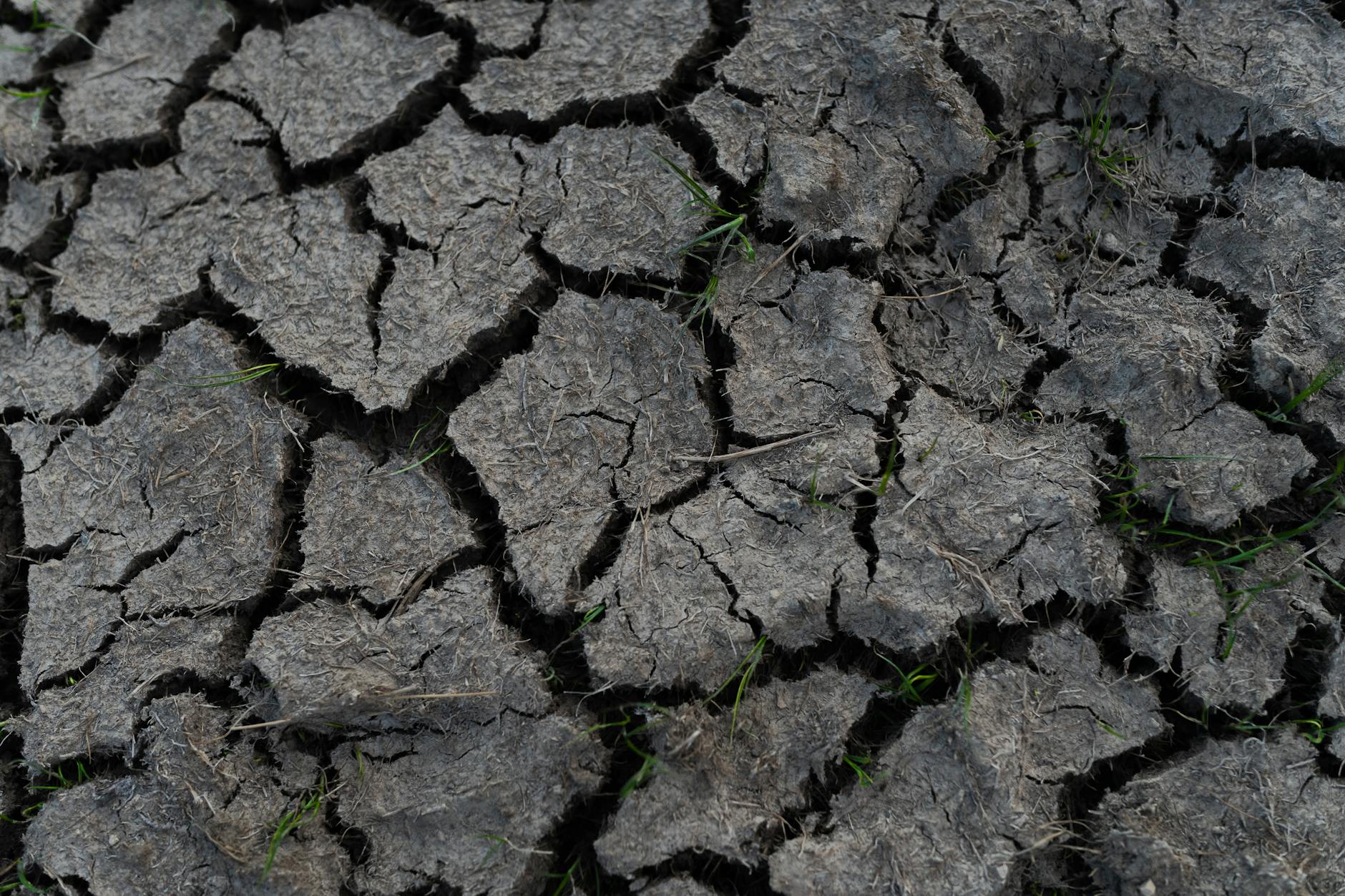
The Upper Valley is experiencing one of the most severe ground and surface water droughts on scientific record, forcing residents to drill new wells as older water sources run dry and prompting municipal water restrictions across the region.
Josh Beliveau, who works for Ascutney-based Wragg Brothers Well Drilling, received 10 to 15 calls by midday Monday from customers seeking new wells, according to local reports. His company has scheduled well drilling jobs across multiple Upper Valley communities, including Woodstock, Charlestown, Enfield and several locations in Royalton.
“I struggle, I can’t keep up,” Beliveau said of the overwhelming demand for well drilling services.
The properties experiencing well failures typically have older, shallow dug or spring-fed wells that have operated successfully for centuries. Beliveau’s company now drills replacement wells approximately 500 feet deep to reach reliable water sources.
“They’ve worked for hundreds of years like that, but with the climate today it’s just not feasible,” Beliveau explained.
The drought conditions began developing last summer and intensified significantly this year. In August, most of Vermont and New Hampshire received less than 2 inches of precipitation, roughly half the normal totals, according to the National Weather Service in Burlington. Above-normal temperatures worsened the drought conditions throughout the region.
Current drought classifications paint a stark picture across the Upper Valley. About half of New Hampshire, including essentially all of Grafton County, faces severe drought conditions, which represents the third level on a five-step federal drought scale managed by the U.S. Drought Monitor. In Vermont, approximately one-third of the state experiences severe drought, including eastern Orange County and a small section of Windsor County. The remaining Upper Valley areas face moderate drought conditions.
Stream and groundwater monitoring gauges maintained by the U.S. Geological Survey throughout Vermont and New Hampshire show record low flow levels. The Ottauquechee River in Hartland recently set a new record low flow based on 93 years of data, according to USGS records.
Lesley-Ann Dupigny-Giroux, Vermont’s state climatologist and head of the state’s drought task force, described the Upper Valley situation as “really severe.” She has tracked droughts in Vermont since 1997 and observed approximately eight to 10 drought events during that period. Vermont activated its drought task force for the first time since 2022 in response to current conditions.
The current drought differs from previous events due to its impact on locations with extensive historical data. “What’s concerning for me this time around is that those record low values are being observed in places where we have very, very long-term records,” Dupigny-Giroux said.
Recovery from the drought will require substantial time and precipitation. As of early this month, USGS data indicated the region would need 7 inches of rain reaching the groundwater table to emerge from drought conditions, according to Dupigny-Giroux.
“It’s going to take us a while to come out of the hydrologic drought because it took us a while to get in,” she explained.
The drought has created challenges beyond residential water supplies. Communities across the region have implemented water conservation measures, asking residents to reduce usage. Local farmers face difficulties maintaining operations during critical summer and fall seasons when water demands typically peak.
Scientists continue monitoring drought conditions and developing response strategies, though tracking efforts prove more challenging in some areas where researchers find themselves “playing catch-up” with rapidly changing conditions.
The combination of record-low precipitation, elevated temperatures, and depleted groundwater reserves has created what experts classify as both a meteorological drought and a hydrologic drought, affecting both immediate rainfall patterns and longer-term water storage systems throughout the Upper Valley region.