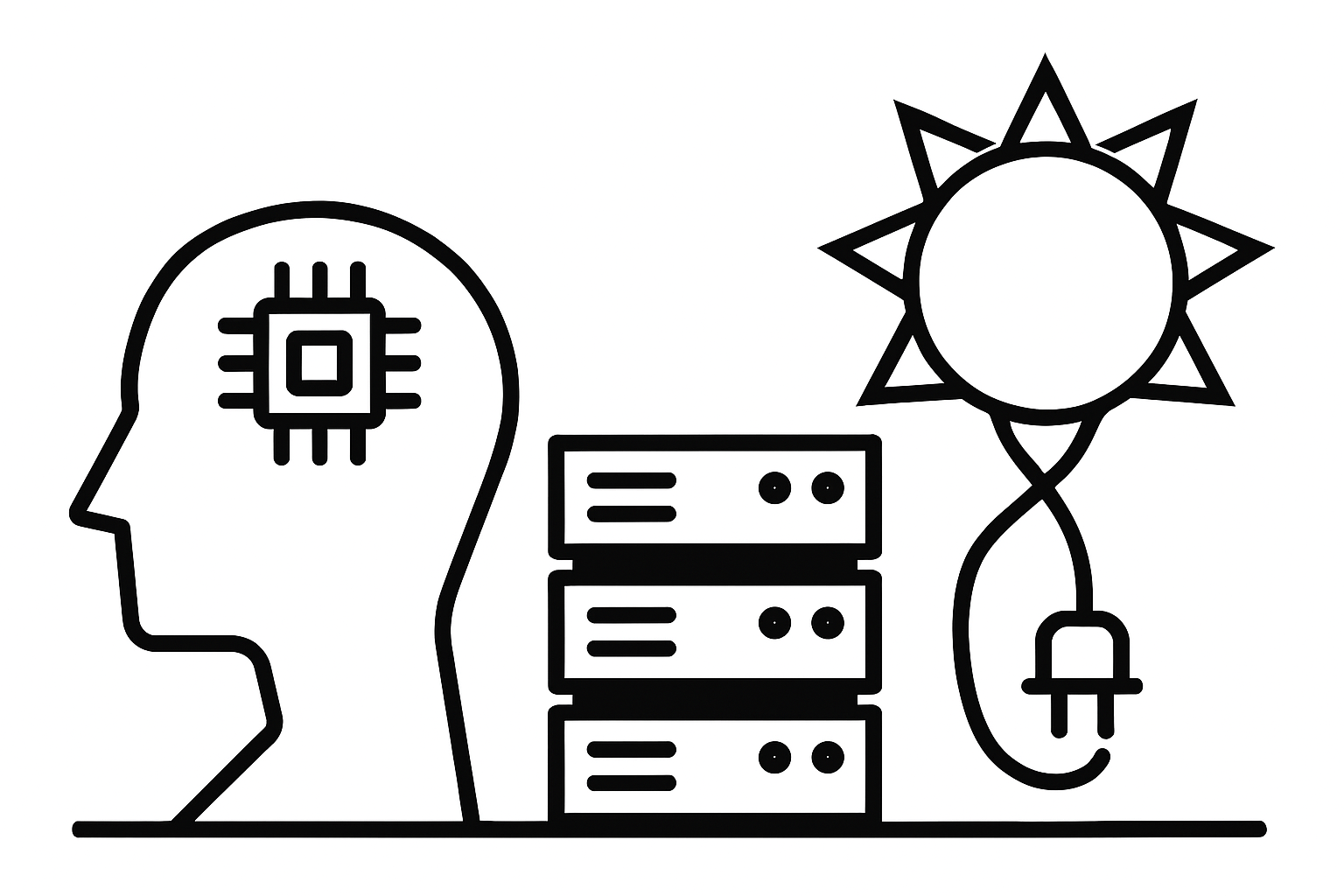
California’s electric grid is undergoing a transformation that few anticipated would arrive so quickly. At the center of this shift is Pacific Gas and Electric Company (PG&E), a utility that has emerged from bankruptcy into a period of unprecedented growth. The catalyst is artificial intelligence, or more precisely, the data centers that power it. These facilities, which require immense and continuous electricity to operate, are proliferating across the state. PG&E’s response has been to embrace this surge in demand, positioning itself as a key infrastructure provider for the AI economy. But as the utility scales up its grid to accommodate these energy-intensive operations, questions loom about who ultimately bears the cost—and whether ordinary ratepayers will benefit or suffer.
PG&E’s data center pipeline has expanded dramatically in recent months, driven in part by major cloud infrastructure deals reshaping the industry. In February, the utility reported 5.5 gigawatts of demand from data centers. By July, that figure had nearly doubled to 10 gigawatts. The company plans to open 18 new data centers in the Bay Area by 2030, a scale of development that rivals the post-World War II housing boom in terms of electricity load growth. PG&E spokespersons have framed this expansion as a net positive for consumers, arguing that higher demand from commercial users will allow fixed infrastructure costs to be distributed more broadly, potentially lowering residential rates. The utility estimates that for every gigawatt of data center demand, customer bills could decline by 1 to 2 percent—under optimal conditions.
However, the phrase “under the right circumstances” has drawn skepticism from consumer advocates. Jamie Court, president of Consumer Watchdog, described the claim as “the biggest hedge I’ve ever heard,” suggesting that PG&E’s assurances lack transparency and accountability. Ratepayers have reason to be wary. Since 2020, PG&E’s rates have increased by 70 percent, with a 41 percent rise in just the past three years. These hikes have been attributed to wildfire mitigation efforts, grid hardening investments, and losses from solar power integration. Yet, during this same period, PG&E has posted record profits, raising concerns about whether the utility’s financial gains are being fairly shared with its customer base.
At the policy level, the state is beginning to respond. A bill currently awaiting Governor Gavin Newsom’s signature would require regulators to establish special tariffs for large electricity users, including data centers. The goal is to prevent residential customers from subsidizing the infrastructure costs of commercial expansion. If enacted, this legislation could mark a pivotal shift in how California allocates the financial burden of its energy transition. It also reflects growing unease about the pace and scale of AI-related development, which has outstripped traditional regulatory frameworks.
PG&E’s strategy is not limited to coastal tech hubs. The utility is expanding into inland regions such as the Central Valley and Sacramento, where land is more available and costs are lower. These areas are now hosting superprojects ranging from 500 to 1,000 megawatts. By diversifying geographically, PG&E aims to balance grid loads and make better use of existing transmission infrastructure. The company has adopted a “cluster study” approach to grid planning, grouping applications to optimize connection timelines and reduce costs. This method has accelerated project delivery, with some data centers expected to come online as early as 2026.
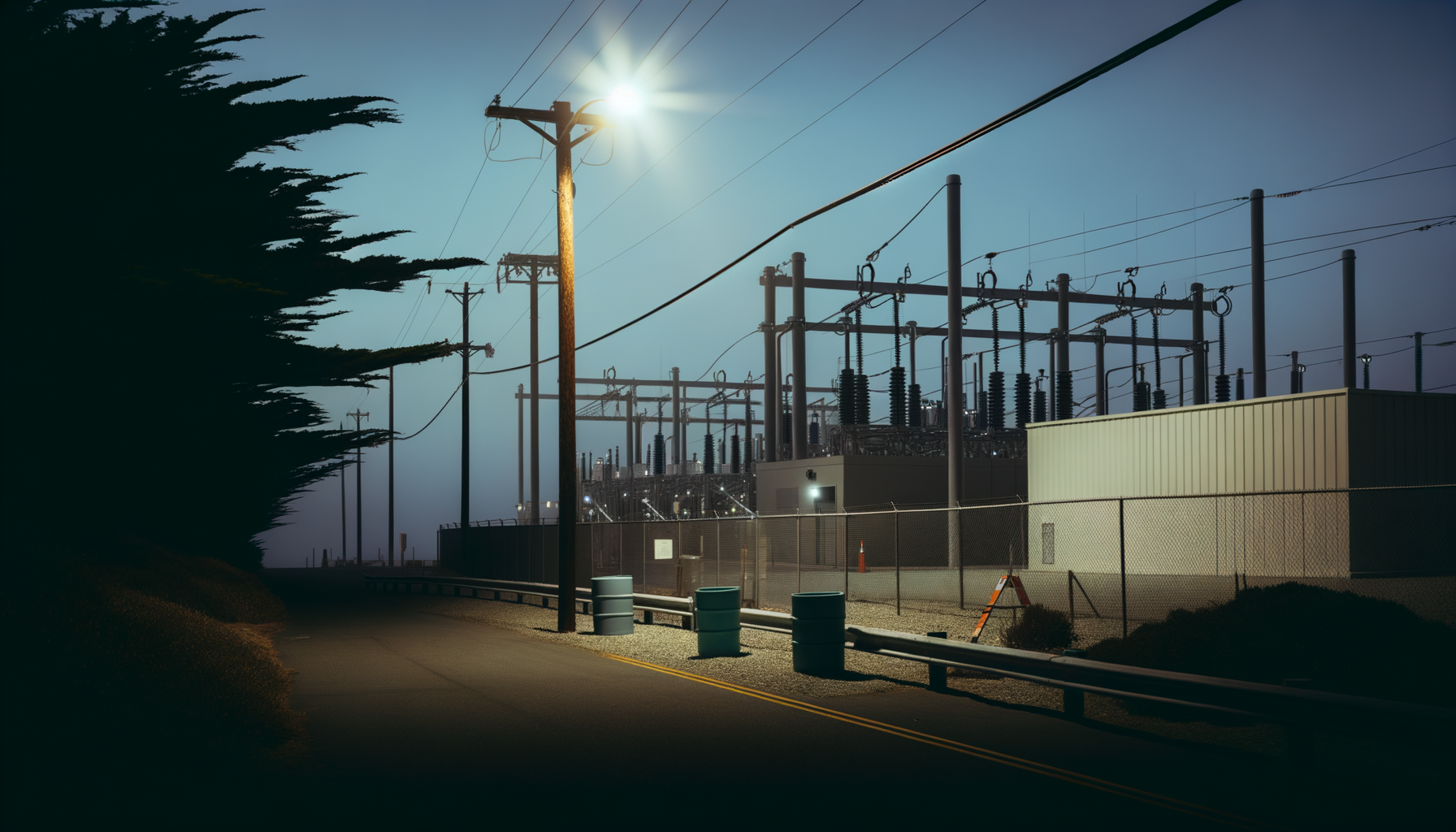
From a systems perspective, PG&E’s pivot toward AI infrastructure represents a fundamental reconfiguration of its business model. Historically, utilities have relied on predictable residential and industrial demand. The rise of AI introduces a new class of consumers—data centers operating at 100 megawatt scales, with continuous load requirements and minimal tolerance for outages. This shift necessitates not only physical upgrades to the grid but also changes in operational philosophy. Reliability, scalability, and speed of deployment are now paramount. PG&E’s investments in substations, transmission lines, and control systems reflect this new reality.
Yet the broader implications remain unsettled. Energy equity is a central concern. If commercial users benefit from economies of scale while residential customers continue to face rising bills, the social contract underpinning public utilities may erode. Moreover, the environmental footprint of data centers—despite efforts to incorporate renewables—raises questions about sustainability. AI queries are estimated to be up to ten times more energy-intensive than traditional internet searches. As usage grows, so too does the strain on California’s energy mix, which must balance geothermal, nuclear, hydroelectric, natural gas, solar, wind, and battery storage to meet demand.
Local governments are also grappling with the consequences. San Jose Mayor Matt Mahan has declared his ambition to make the city the “clean energy AI capital of the world.” This vision aligns with PG&E’s expansion plans but introduces new challenges around zoning, land use, and community engagement. Building a data center can take more than a decade, and the infrastructure required—transformers, substations, transmission corridors—is not easily integrated into existing urban landscapes. The speed at which PG&E is moving raises concerns about whether adequate planning and public input are being prioritized.
Ultimately, the intersection of AI and energy policy in California is a test case for the rest of the country. PG&E’s experience illustrates both the opportunities and risks of aligning utility strategy with emerging technologies. If managed well, the data center boom could usher in a new era of grid modernization, rate stability, and economic growth. If mismanaged, it could deepen inequality, strain environmental resources, and undermine public trust. The outcome will depend on regulatory vigilance, corporate transparency, and the willingness of stakeholders to engage in honest dialogue about costs, benefits, and long-term consequences.
For PG&E, the stakes are high. The utility has positioned itself as a linchpin in the AI revolution, but its legacy of rate hikes and wildfire liabilities casts a long shadow. Whether it can deliver on promises of affordability and reliability will shape not only its reputation but also the trajectory of California’s energy future. As the state stands at this crossroads, the question is no longer whether AI will reshape the grid—it is how, and at what cost.