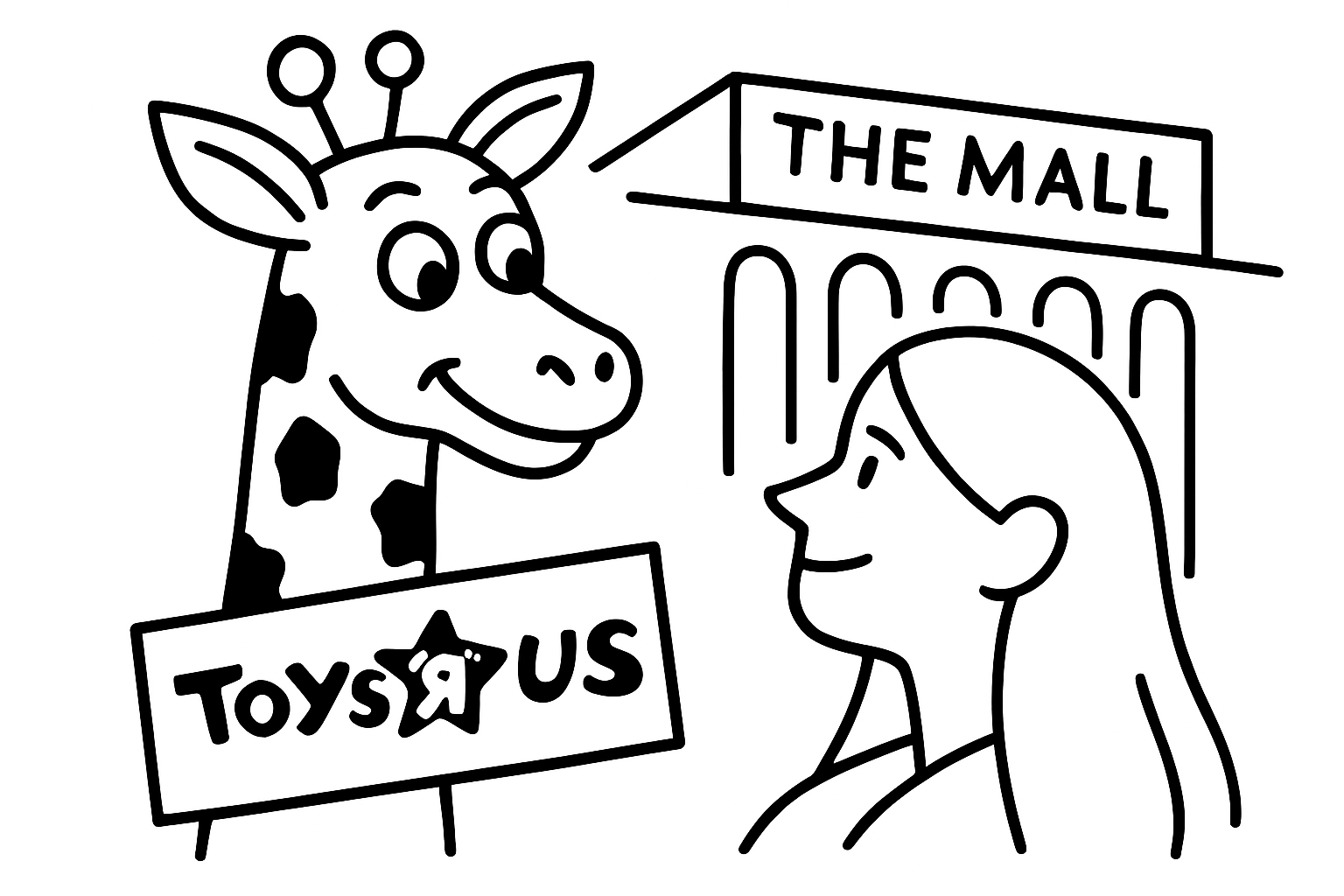
In the quiet rhythm of Manchester’s commercial corridors, a familiar name is preparing to return. Toys “R” Us, once a cornerstone of childhood wonder and retail nostalgia, is reopening its doors inside the Macy’s at The Mall of New Hampshire. For many in the Upper Valley and beyond, this news stirs a blend of curiosity and sentimentality. The brand’s reemergence, nestled within a department store rather than standing alone, marks a shift not only in retail strategy but in how communities interact with spaces of memory and commerce.
The original Toys “R” Us stores, with their sprawling aisles and towering shelves, were more than just places to shop. They were destinations. Families made pilgrimages to these fluorescent-lit havens, where children could wander freely among action figures, board games, and plush animals. The stores were loud, colorful, and unapologetically chaotic. But they were also places of joy, where birthdays were imagined and holiday lists took shape. When the company filed for bankruptcy in 2017 and shuttered its locations soon after, it felt like a collective loss, a closing chapter in the book of American childhood.
Now, the brand is returning in a different form. The new iteration is smaller, more curated, and embedded within Macy’s, a retail partnership that reflects broader trends in consumer behavior. Rather than rebuilding the vast warehouse-style stores of the past, Toys “R” Us is opting for a model that leans into collaboration and shared space. This approach is not unique. Across the country, legacy brands are finding new life through partnerships and pop-ups, adapting to a landscape shaped by online shopping and shifting foot traffic.
For Manchester, the reopening is more than a business decision. It’s a signal of resilience and renewal. The Mall of New Hampshire, like many regional shopping centers, has weathered its share of economic storms. Anchor stores have closed, foot traffic has fluctuated, and the rise of e-commerce has altered the retail terrain. Yet, the mall remains a gathering place, a space where people come not just to shop, but to connect. The arrival of Toys “R” Us, even in a reduced footprint, adds a layer of vibrancy to the mall’s ecosystem.
There’s something poetic about the brand’s return in autumn, a season of transition and reflection. As leaves turn and temperatures drop, families begin to think ahead to the holidays. The timing is strategic, of course, but it also feels emotionally resonant. The reopening invites parents to share a piece of their own childhood with their children, to walk together through aisles that echo with memories. It’s a chance to revisit the tactile joy of picking up a toy, turning it over in one’s hands, and imagining its place in a child’s world.
From an environmental perspective, the revival of brick-and-mortar retail raises questions about sustainability and consumer habits. Large-scale retail operations have long been scrutinized for their energy use, packaging waste, and carbon footprints. However, the shift toward smaller, integrated retail spaces may offer a more efficient model. By sharing infrastructure and reducing the need for standalone buildings, partnerships like the one between Macy’s and Toys “R” Us could represent a more ecologically mindful approach to commerce. It’s not a perfect solution, but it’s a step toward rethinking how we build and inhabit commercial spaces.
Moreover, the return of Toys “R” Us invites reflection on the role of play in community life. Toys are not merely products; they are tools of imagination, connection, and growth. In a time when screens dominate so much of children’s attention, the tactile experience of choosing a toy in person carries renewed value. It encourages movement, conversation, and shared decision-making. It also supports local employment and contributes to the economic vitality of the region.
For Upper Valley families who may travel to Manchester for seasonal shopping, the reopening offers a familiar touchpoint. It’s part of a broader retail transformation happening across New Hampshire. It’s a reminder that even as retail evolves, certain experiences remain rooted in place. The joy of discovering a new toy, the excitement of a child tugging a parent’s hand toward a display, the quiet satisfaction of finding just the right gift—these moments are not easily replicated online. They belong to the realm of physical space, of shared presence.
Of course, nostalgia alone cannot sustain a business. The success of the new Toys “R” Us will depend on its ability to meet contemporary expectations. Inventory must be relevant, pricing competitive, and the shopping experience seamless. But if the brand can balance its legacy with innovation, it may find a meaningful foothold in the modern marketplace. The partnership with Macy’s provides a built-in audience and a framework for growth, while the emotional resonance of the brand offers a powerful draw.
In the end, the reopening of Toys “R” Us in Manchester is a story of adaptation. It’s about finding new ways to connect with old joys, about weaving the past into the fabric of the present. For those of us who grew up with Geoffrey the Giraffe and the jingle that promised endless toys, it’s a chance to revisit a piece of our own story. And for the children who will walk through those doors for the first time, it’s the beginning of theirs.
As the mall prepares to welcome back a beloved name, the community watches with quiet anticipation. The lights will flicker on, the shelves will be stocked, and the aisles will once again echo with laughter. In a world that often feels fragmented and fast-moving, such moments of continuity matter. They remind us that renewal is possible, that joy can be rediscovered, and that even in the shifting landscape of retail, some things are worth bringing back.
For more local business and culture coverage, see our Culture section.